
Japanese pet waste bag holders, a fusion of practicality and aesthetics, are more than just containers. They represent a nuanced approach to pet ownership, reflecting a deep-seated cultural appreciation for cleanliness and design. This analysis delves into the intricate details, from the materials and manufacturing processes to the cultural context and market trends, offering a comprehensive understanding of these unique products.
This article examines the diverse designs, from wall-mounted to floor-standing models, highlighting the practical aspects of use and the aesthetic considerations inherent in Japanese design principles. It also explores the environmental impact of these holders, alongside their durability and longevity.
Product Description
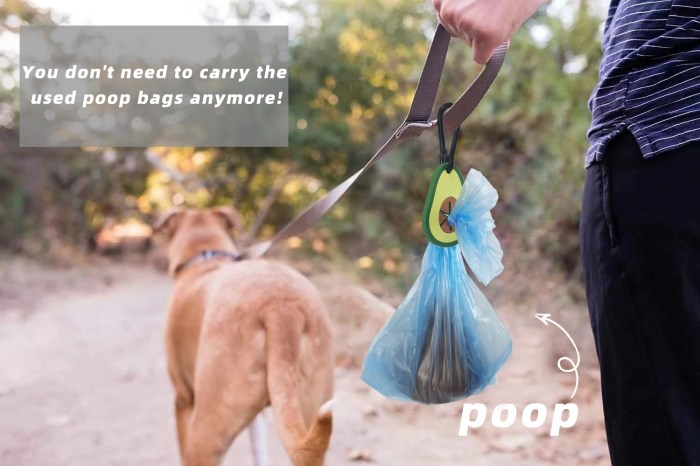
Japanese-style pet waste bag holders are gaining popularity for their aesthetic appeal and practicality. These holders blend traditional design elements with modern functionality, reflecting a meticulous attention to detail often associated with Japanese design principles. Beyond simply containing waste bags, these holders offer a sophisticated solution for pet owners seeking a harmonious blend of form and function.These holders often incorporate elements that enhance their visual appeal and integrate seamlessly into the surrounding environment.
The meticulous craftsmanship and focus on minimalism, combined with practicality, make them a desirable addition to any home or outdoor space.
Design Elements
Japanese-style pet waste bag holders often feature clean lines, minimalist aesthetics, and a muted color palette. Natural materials like bamboo, wood, or ceramic are frequently incorporated. Many models utilize a concealed mechanism for bag storage, ensuring the holder’s appearance remains uncluttered and aesthetically pleasing. The integration of traditional Japanese motifs, such as subtle patterns or symbols, further enhances the holder’s unique appeal.
Materials
Common materials used in the construction of these holders include bamboo, cedar, ceramic, and stainless steel. Bamboo’s natural strength and aesthetic appeal make it a popular choice. Cedar, known for its natural aroma, is used in some models to create a pleasant scent. Ceramic options often boast a smooth, polished finish, while stainless steel is favored for its durability and easy maintenance.
The selection of materials contributes to the overall visual appeal and functionality of the holder.
Sizes and Capacities
These holders are available in various sizes to accommodate different pet types and user preferences. Small holders, typically for smaller pets, may have a capacity of 5-10 bags. Medium holders can accommodate 10-20 bags, suitable for most common breeds. Larger holders, designed for larger breeds or frequent users, might hold 20 or more bags. The size and capacity directly influence the suitability of the holder for individual needs.
Differentiating Features
Japanese-style holders often distinguish themselves from other styles through their aesthetic qualities, such as minimalist design and harmonious integration with surrounding environments. Their use of natural materials, such as bamboo and cedar, adds a touch of elegance. The emphasis on concealed mechanisms for bag storage contributes to the uncluttered look. These features, in conjunction with practicality, create a unique and desirable product.
- Concealed Bag Storage: A key feature is the hidden mechanism for storing waste bags, which keeps the holder tidy and visually appealing.
- Minimalist Design: Clean lines and uncluttered aesthetics are hallmarks of Japanese design, which translate well into pet waste bag holders.
- Natural Materials: Frequent use of materials like bamboo, cedar, and ceramic adds a natural, elegant touch to the design.
- Integrated Functionality: The holders are designed not only to be attractive but also to be practical, efficiently accommodating waste bags.
Types of Holders
Japanese-style pet waste bag holders come in various forms, each catering to different needs and preferences.
- Wall-Mounted: Ideal for saving space, these holders are mounted on walls, keeping the area clear and uncluttered.
- Floor-Standing: Suitable for larger spaces or outdoor use, these holders stand on the floor, offering a more prominent presence.
- Hanging Holders: Often incorporating a hook or a specialized design for hanging, these holders are particularly convenient for areas with limited floor space.
Cultural Context
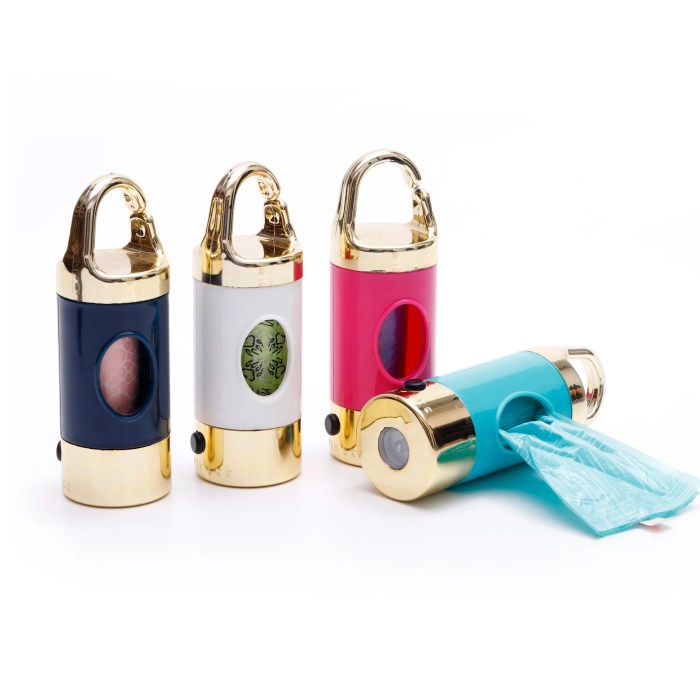
Japanese society places a high value on cleanliness and aesthetics, extending to pet waste management. This meticulous approach is deeply ingrained in cultural norms, influencing not just the act of waste disposal, but also the design and function of products used for this purpose. This emphasis on aesthetics and functionality, evident in various aspects of Japanese design, is reflected in the design of pet waste bag holders.Japanese pet waste management practices differ significantly from those in many Western countries.
The focus on environmental consciousness and minimizing visual impact on public spaces is a cornerstone of this approach. This contrasts with practices in some other cultures, where pet waste disposal might be less regulated or visually integrated into the urban landscape.
Significance of Cleanliness and Aesthetics
Japanese culture prioritizes maintaining a clean and aesthetically pleasing environment. This extends to public spaces, where litter and visual clutter are generally avoided. This cultural emphasis on tidiness and visual harmony influences the design of products related to pet waste management. Japanese pet owners often seek discreet and aesthetically pleasing solutions to pet waste disposal.
Comparison with Other Cultures
While many cultures prioritize responsible pet waste management, the emphasis on complete visual concealment and environmental consciousness is particularly pronounced in Japan. Western cultures, for example, often have a more pragmatic approach to pet waste management, with less emphasis on visual aesthetics. The use of public waste receptacles and a generally more open approach to waste disposal in some Western countries contrasts sharply with the meticulous Japanese approach.
Aesthetic Considerations in Japanese Design
Japanese design, renowned for its minimalism and functionality, emphasizes harmony with the surrounding environment. Pet waste bag holders are often designed to blend seamlessly with the surrounding landscape, utilizing muted colors and simple, elegant forms. The materials chosen for the product are frequently natural and sustainable, further emphasizing the environmental ethos.
Design Principles in Japanese Products
Japanese design frequently prioritizes:
- Functionality: Products are designed to be both useful and aesthetically pleasing, reflecting a balance between practicality and artistry.
- Minimalism: Design elements are kept to a minimum, ensuring clarity and visual simplicity. Unnecessary embellishments are avoided, leading to a clean and uncluttered aesthetic.
- Harmony with Nature: Materials and forms are often inspired by natural elements, creating a sense of connection with the environment. This can be seen in the use of wood, bamboo, or other natural materials in the design of pet waste bag holders.
Influence of Japanese Design Philosophy
Japanese design philosophy, with its emphasis on minimalism, functionality, and harmony with nature, directly influences the design of pet waste bag holders. The product’s form, function, and materials are carefully considered to achieve a sense of understated elegance and environmental responsibility. This philosophy contrasts with design approaches in some other countries that might prioritize more overt visual features or more complex designs.
Examples of Differences
Consider a simple pet waste bag holder. A Japanese design might feature a discreet, minimalist form, using natural materials like bamboo or wood, and muted colors that blend seamlessly with the surrounding environment. In contrast, a design from another culture might feature a more elaborate or decorative design, employing brighter colors or more pronounced shapes. These design choices reflect differing cultural priorities and values.
Practical Considerations
Japanese pet waste bag holders offer a discreet and hygienic solution for pet owners, but their practical application requires careful consideration. These holders, designed for specific cultural norms and environmental sensitivities, need to be evaluated for their suitability in various contexts. Understanding the different types, their durability, and potential drawbacks is key to making informed choices.
User-Friendly Manual
A user-friendly manual is essential for effective and safe usage of these holders. It should clearly illustrate the proper placement, attachment mechanisms, and waste disposal procedures. The manual should also detail the maintenance instructions, including cleaning procedures and troubleshooting common issues. Illustrations, with clear labeling and step-by-step guidance, would greatly enhance the user experience and reduce confusion. The manual should be concise and readily understandable, especially for those unfamiliar with the design.
Potential Issues and Challenges
Several potential issues can arise when using pet waste bag holders. These include improper placement, leading to bag leakage or spills. A lack of adequate ventilation could result in unpleasant odors, while inadequate bag capacity might require frequent replacement. Furthermore, compatibility issues with different bag sizes and styles can present a problem. Understanding and addressing these challenges ensures a positive user experience.
Holder Types and Their Advantages/Disadvantages
Various holder types cater to different needs and preferences. Wall-mounted holders provide a convenient solution for homes and apartments, but may not be suitable for all environments. Free-standing holders offer greater flexibility but may require more space. Some holders incorporate a built-in dispenser, offering ease of use but potentially increasing the cost.
| Holder Type | Advantages | Disadvantages |
|---|---|---|
| Wall-mounted | Space-saving, convenient, reduces clutter | Limited mobility, may require specific wall mounting |
| Free-standing | Flexible placement, suitable for various environments | May take up more space, risk of tipping |
| Dispenser-integrated | Convenience of pre-measured bag dispensing | Higher initial cost, potential for bag jams |
Hygiene Aspects
Maintaining hygiene is paramount when using pet waste bag holders. The holders should be regularly cleaned to prevent the buildup of odors and bacteria. The materials used should be easy to clean and resistant to bacterial growth. Proper waste disposal, as Artikeld in the manual, is critical for preventing contamination and environmental concerns.
Durability and Longevity
The durability of the materials used in the holders directly affects their longevity. High-quality plastic, metal, or other sturdy materials are essential to withstand daily use and potential wear and tear. Durability also extends to the bag-holding mechanisms, ensuring the bags remain securely fastened. A durable design is crucial for maximizing the holder’s lifespan and minimizing replacements.
Studies on similar products can provide valuable insights into long-term material performance.
Design Variations
Japanese pet waste bag holders face a unique design challenge: balancing practicality with the country’s aesthetic sensibilities. Traditional Japanese design principles often prioritize minimalist elegance and functionality, influencing the ideal form and materials for these holders. The best designs seamlessly integrate into the home environment, offering discreet yet efficient waste management.
Different Design Types
Various designs cater to different needs and preferences. Common options include wall-mounted, floor-standing, and integrated designs, each with distinct advantages and disadvantages.
| Design | Pros | Cons |
|---|---|---|
| Wall-mounted | Space-saving, unobtrusive, often aesthetically pleasing, easy to clean, and typically require minimal installation. | May not suit all spaces, limited storage capacity, and potential for blocking wall-mounted features. |
| Floor-standing | Larger capacity, versatile placement options, and often visually appealing standalone units. | Can take up valuable floor space, and may not suit small apartments or homes. |
| Integrated Designs | Sleek, integrated appearance, often maximizing space efficiency, and may be custom-tailored to existing cabinetry. | Can be more expensive, may not be easily customizable, and potentially harder to maintain. |
User-Friendly Interface
A user-friendly interface focuses on intuitive operation and easy access to the waste bags. Simple, large openings with ample space for bag insertion and removal are essential. Consider clear markings or indicators to ensure the bags are placed correctly, minimizing spills and mess. A design that allows for easy bag disposal without having to open the entire unit will increase the ease of use.
Natural Materials
Incorporating natural materials into the design can significantly enhance the aesthetic appeal. Bamboo, sustainably sourced wood, and recycled paper are suitable options. These materials resonate with Japanese design principles, fostering a sense of harmony with nature. The use of natural materials in the holder contributes to the overall environmental sustainability. For example, a bamboo holder, with its light, warm tone and natural grain, can complement many interior styles.
Infographic Showcase
An infographic showcasing the design variations could visually represent each design type. The infographic should display the pros and cons of each design using icons and concise text. For example, a wall-mounted holder could be depicted with an icon representing space-saving, while a floor-standing option could be paired with an icon symbolizing large capacity. This visual aid could be enhanced by using a palette of colors and imagery evocative of Japanese design principles.
The infographic could also include examples of different models of each type of holder, highlighting their design features.
Materials and Construction
Japanese pet waste bag holders face increasing pressure to adopt sustainable practices. This necessitates a careful selection of materials and construction methods that balance functionality, aesthetics, and environmental impact. The choice of materials significantly affects the holder’s lifespan, cost-effectiveness, and overall appeal to consumers.The selection of materials for pet waste bag holders directly impacts the product’s environmental footprint and cost.
Sustainable options, along with manufacturing processes that minimize waste and maximize efficiency, are crucial for creating a product that is both functional and environmentally responsible. Safety standards must be adhered to throughout the production process to ensure the holder is safe for both users and the environment.
Sustainable Materials
A growing demand for eco-friendly products necessitates the incorporation of sustainable materials in the manufacturing process. Bamboo, recycled plastics, and plant-based polymers are increasingly popular choices. These materials offer a range of benefits, including reduced reliance on finite resources and a lower carbon footprint.
- Bamboo: Known for its rapid growth and renewable nature, bamboo offers a viable alternative to traditional materials. Its lightweight and strong properties make it suitable for various applications, including small-scale holders.
- Recycled Plastics: Utilizing recycled plastics in the production of pet waste bag holders helps reduce plastic waste and conserve natural resources. Various grades of recycled plastic can be used, each with differing characteristics in terms of strength and cost.
- Plant-Based Polymers: These materials are derived from renewable plant sources, such as corn starch or sugarcane. Their biodegradability and reduced reliance on fossil fuels contribute to their growing popularity in environmentally conscious product design.
Manufacturing Processes
Efficient manufacturing processes are essential to minimize waste and maximize the use of sustainable materials. Minimizing the use of harmful chemicals and employing energy-efficient methods are critical to creating an environmentally responsible product.
- Injection Molding: This process, commonly used for plastic components, allows for precise shaping and potentially lower material usage. Optimized injection molding techniques can minimize material waste during production.
- 3D Printing: Additive manufacturing techniques, like 3D printing, can produce complex shapes and designs with minimal material waste. This method offers flexibility in design and allows for personalized product features.
- CNC Machining: Computer Numerical Control (CNC) machining can be employed for wood or bamboo components, allowing for precise cutting and shaping with minimal waste.
Safety Standards
Meeting relevant safety standards is paramount to ensuring the holder’s safety and preventing harm to users and the environment. Regulations regarding material composition and manufacturing processes must be strictly adhered to.
- Material Toxicity: Strict testing procedures are required to verify that the chosen materials do not release harmful chemicals or toxins during use or disposal. This is especially important for plastic-based materials.
- Durability and Stability: The holder must maintain its structural integrity and stability to prevent accidents and injuries. Thorough testing is essential to ensure the holder can withstand expected use.
- Environmental Impact: Materials must meet environmental standards regarding biodegradability and waste management to minimize the product’s impact on the environment. This is particularly relevant for plastic-based products.
Longevity of Materials
The longevity of materials directly impacts the product’s lifecycle and overall environmental impact. The durability of the material and the construction methods used play a significant role in how long the product lasts.
- Durability Testing: Different materials exhibit varying degrees of durability. Testing under various conditions, including exposure to weather, repeated use, and potential impact, helps assess a material’s lifespan.
- Environmental Factors: Exposure to sunlight, moisture, and extreme temperatures can affect the longevity of materials. Understanding these factors is crucial for selecting materials that will withstand the intended use conditions.
- Maintenance: Proper care and maintenance of the holder can extend its lifespan. This includes regular cleaning and protection from damage.
Innovative Material Combinations
Combining different materials can create holders with enhanced properties. Hybrid approaches can create a product that combines the best attributes of multiple materials.
- Bamboo and Recycled Plastic: This combination could leverage bamboo’s strength and lightweight nature while incorporating recycled plastic for cost-effectiveness and reduced reliance on virgin materials.
- Plant-Based Polymer and Wood: This approach could yield a product with good durability, biodegradability, and aesthetic appeal, combining the benefits of both materials.
Cost Comparison
The cost of materials plays a crucial role in determining the final price of the product. Factors such as availability, processing, and manufacturing methods all contribute to the overall cost.
| Material | Cost | Durability |
|---|---|---|
| Bamboo | Medium | High |
| Recycled Plastic | Low | Medium |
| Plant-Based Polymer | Medium | High |
Market Analysis
The Japanese pet market, renowned for its sophisticated approach to pet ownership, presents a robust opportunity for innovative pet waste bag holders. This segment, while seemingly niche, reflects a deeper cultural appreciation for cleanliness and convenience, driving substantial demand. This analysis explores the current market landscape, identifying trends, competitors, pricing strategies, and target audiences to better understand the potential for a new Japanese pet waste bag holder.
Current Market Summary
The Japanese pet waste bag holder market is characterized by a preference for discreet, stylish designs. Demand is driven by a combination of environmental consciousness, convenience, and a desire for products that seamlessly integrate into the aesthetic of Japanese homes. Existing offerings range from simple, functional designs to elaborate, premium models incorporating features like built-in dispensers or specialized attachments.
Market Trends and Growth Projections
The market is experiencing consistent growth, fueled by the increasing pet ownership rates across Japan. Furthermore, the growing awareness of responsible pet waste management contributes to the demand for innovative and user-friendly solutions. Market research indicates that demand for stylish and eco-friendly options is expected to rise, suggesting a potential for higher growth in the premium segment of the market.
Potential Competitors
Existing competitors include established pet product brands and smaller, niche retailers catering to the Japanese market. Their offerings vary from basic, functional holders to sophisticated models with integrated features, reflecting a wide spectrum of price points. Direct competition includes existing brands offering similar products, while indirect competition comes from alternative waste disposal solutions, such as biodegradable bags or specific waste management systems.
Pricing Strategies
Pricing strategies for Japanese pet waste bag holders typically follow a tiered approach. Basic models are priced competitively to cater to a broader customer base, while premium products with additional features, such as built-in dispensers or stylish designs, command a higher price point. The pricing model often reflects the perceived value and quality of the product, with a clear differentiation between basic and premium offerings.
Target Audience
The target audience encompasses pet owners across all age groups and socio-economic backgrounds in Japan. A key demographic is young, urban professionals who prioritize aesthetics and convenience. Pet owners in suburban areas, while possibly less concerned with aesthetic aspects, may still value convenience and durability. The target demographic also includes those with elderly or mobility-impaired pets.
SWOT Analysis (Hypothetical Product)
| Factor | Strengths | Weaknesses | Opportunities | Threats |
|---|---|---|---|---|
| Strengths | Unique, aesthetically pleasing design; Eco-friendly materials; User-friendly features; Potential for high brand recognition | Limited production capacity; Initial marketing costs; Dependence on supply chain for materials; Potential for quality control issues. | High-growth pet market; Increasing demand for eco-friendly products; Potential for partnerships with pet-related retailers | Economic downturn; Intense competition from established brands; Product counterfeiting; Difficulty scaling production |
Maintenance and Cleaning
Proper maintenance of pet waste bag holders is crucial for hygiene and longevity. Neglecting cleaning can lead to the buildup of odors, attracting pests, and potentially compromising public health. Regular cleaning ensures a sanitary environment and protects the holders’ structural integrity.Effective cleaning procedures, tailored to the material and design of the holder, are essential. Different materials react differently to cleaning agents, and incorrect methods can damage the holder.
This section Artikels specific cleaning steps and preventative measures for optimal hygiene.
Cleaning Procedures for Different Holder Types
Various designs of pet waste bag holders require different cleaning approaches. A wall-mounted holder, for example, might require a different cleaning regimen than a freestanding model. The type of material used in the holder’s construction also dictates the cleaning method.
- Wall-mounted holders often feature a recessed area for bag storage. Thorough cleaning involves removing any accumulated waste and debris, followed by wiping the exterior surface with a damp cloth. For stubborn stains, a mild detergent solution can be used, ensuring the detergent is compatible with the material.
- Freestanding holders, particularly those with multiple compartments or baskets, need careful attention to sanitation. Disassembling the holder for thorough cleaning is often necessary. Each component should be cleaned separately and then reassembled. Use mild detergent and warm water for optimal cleaning results.
- Portable holders, designed for easy carrying, necessitate frequent cleaning. Since these are frequently exposed to various environments, meticulous cleaning is paramount. Regular wiping with a damp cloth is essential, and a mild disinfectant can be used for sanitation, ensuring the disinfectant is compatible with the material.
Maintenance Requirements by Material
The material used in the holder significantly impacts the cleaning process. Choosing the right cleaning agent is critical to prevent damage and maintain the holder’s aesthetic appeal.
- Plastic holders are typically easy to clean. Mild soap and water are usually sufficient. Avoid abrasive cleaners that can scratch the surface. Using a soft cloth or sponge is recommended to prevent scratching.
- Metal holders, especially those made of stainless steel, can be cleaned with a mild detergent and warm water. A soft cloth or sponge is recommended to prevent scratching. If rust appears, a specialized metal cleaner may be required. Avoid harsh chemicals.
- Wood holders, if used, require gentle cleaning with a damp cloth. Avoid excessive moisture, as this can lead to warping or damage. A specialized wood cleaner can be used if necessary, following the manufacturer’s instructions carefully.
Sanitizing the Holders
Sanitizing pet waste bag holders is a critical aspect of hygiene. The use of disinfectants should be carefully considered to ensure compatibility with the material and prevent damage.
“Effective sanitization helps eliminate germs and bacteria that may accumulate on the holders, minimizing the risk of disease transmission.”
Using a diluted bleach solution (1 part bleach to 10 parts water) can be effective, but only for holders made of materials that can withstand bleach. For other materials, a specialized disinfectant designed for use on plastics or metals should be used. Always check the product label for instructions.
Importance of Regular Cleaning
Regular cleaning is essential to prevent the accumulation of pet waste and odors, maintaining a hygienic environment. This prevents unpleasant smells, protects public health, and extends the life of the holder.
Potential Problems from Improper Maintenance
Improper cleaning can lead to several problems. Accumulated waste and odors can attract pests, potentially spreading diseases. Harsh cleaning agents can damage the holder’s surface, reducing its lifespan and aesthetic appeal. Improper handling can lead to scratches, dents, or breakage.
Step-by-Step Guide for Cleaning Holders
A systematic cleaning approach is crucial to maintain the holder’s cleanliness. Follow these steps for optimal results:
- Inspect the holder for any visible debris or waste.
- Remove any waste carefully, using appropriate tools or gloves.
- Clean the holder’s exterior with a damp cloth or sponge, using a mild detergent solution (if necessary).
- Rinse thoroughly with clean water.
- Dry the holder completely to prevent water spots or mold growth.
- Sanitize as needed, using a compatible disinfectant, following the product label’s instructions.
Environmental Impact
Japanese pet waste bag holders, while seemingly a small product, contribute to a larger environmental conversation. The choice of materials, manufacturing processes, and ultimately, waste disposal practices, significantly impact the ecological footprint. Considering these factors is crucial for responsible product design and consumer choices.The environmental impact of pet waste bag holders is multifaceted, encompassing the lifecycle of the product from raw material extraction to final disposal.
Understanding the potential for reducing environmental harm through material selection and sustainable practices is essential. A deeper look into eco-friendly alternatives and the overall waste management cycle is vital for a comprehensive assessment.
Material Impact
The environmental footprint of a pet waste bag holder is deeply tied to the materials used in its creation. Plastic, a common material, presents a significant environmental concern due to its non-biodegradability and contribution to plastic pollution. Conversely, biodegradable materials offer a more sustainable alternative.
- Plastic-based holders often rely on petroleum-based plastics, requiring substantial energy for extraction and refining. The manufacturing process itself can release greenhouse gases, while the plastic’s persistence in the environment leads to pollution and harm to wildlife.
- Biodegradable options, like plant-based plastics derived from corn starch or sugarcane, present a more environmentally friendly alternative. However, the full environmental impact assessment should also consider the energy and water required in their production and the potential for complete biodegradation in different environments.
Sustainable Manufacturing Processes
The manufacturing process significantly influences the environmental impact. Implementing sustainable practices throughout the production chain can reduce negative effects.
- Reduced Water Consumption: Manufacturing processes using less water and minimizing water waste are essential. For instance, using water-efficient machinery and implementing water recycling systems can significantly reduce the environmental impact.
- Waste Minimization: Implementing strategies to minimize waste during manufacturing, such as optimizing material usage and employing closed-loop systems, can greatly reduce the environmental impact.
- Renewable Energy: Using renewable energy sources in the manufacturing process, such as solar or wind power, dramatically lowers the carbon footprint compared to relying on fossil fuels.
Waste Disposal Impact
Proper waste disposal is crucial for mitigating the environmental impact of pet waste bags. Improper disposal leads to pollution of land and water, impacting local ecosystems.
- Proper Disposal Practices: Educating pet owners about the correct disposal methods, promoting the use of designated waste receptacles, and ensuring proper waste management systems in public areas are essential steps in minimizing environmental damage.
- Biodegradable Waste Bags: While biodegradable bags are a step towards sustainability, they require specific disposal conditions, like composting facilities, to fully biodegrade. If improperly disposed of, they can contribute to landfill waste and pollution.
Comparative Environmental Impact
Comparing the environmental impact of different pet waste bag holders requires a comprehensive lifecycle assessment. The assessment should include the materials used, manufacturing processes, and potential for recycling or composting.
| Material | Manufacturing Process | Disposal Impact | Overall Environmental Impact |
|---|---|---|---|
| Biodegradable Plastic | Renewable energy use | Composting | Lower |
| Petroleum-based Plastic | Fossil fuel reliance | Landfill | Higher |
Sustainable Waste Bag Holder Design
A sustainable pet waste bag holder would prioritize biodegradable materials, like plant-based plastics, sourced from renewable resources. The manufacturing process should minimize water and energy consumption, employing renewable energy sources. Furthermore, the holder design should consider easy attachment and detachment of the bags, promoting user convenience while minimizing waste. The holder should also be designed for easy recycling or composting, ideally with a clearly defined recycling process.
Post-use, it should be easily composted or recycled in the user’s area.
Customer Reviews and Feedback
Japanese pet waste bag holders are increasingly popular, but success hinges on understanding customer needs and preferences. Positive reviews can drive sales, while addressing negative feedback is crucial for maintaining a strong brand reputation and product quality. Customer feedback provides invaluable insights for continuous improvement and market adaptation.
Customer Review Examples
Customer reviews offer a direct window into user experiences. A common positive sentiment is the product’s convenience and ease of use. Users often praise the product’s discreet design and space-saving functionality. Specific design elements, like the secure latching mechanism, or the durable materials, are frequently highlighted in positive reviews. Conversely, negative reviews can pinpoint areas for improvement.
Complaints may focus on the bag holder’s size, the material’s durability, or the difficulty of attaching or detaching bags.
Common Themes in Reviews
Customer reviews reveal recurring themes, highlighting key areas of both satisfaction and dissatisfaction. Positive reviews consistently emphasize the product’s aesthetic appeal and how it integrates seamlessly into a home environment. Negative feedback often centers around concerns regarding the product’s durability or its effectiveness in managing the bag disposal process. For example, some users may find the bag holder too small for their needs, or the material may not withstand the weight of numerous bags.
Feedback on Design Elements
Specific design elements are often subjects of feedback. Users may comment on the placement of the bag holder, the strength of the attachments, or the overall design aesthetics. Some may praise the thoughtful design, while others express dissatisfaction with the lack of adjustability or the difficulty of attaching the bag. A common issue involves the stability of the bag holder, particularly if placed on a surface that isn’t level or if large bags are used.
Sample Customer Survey
To gather comprehensive feedback, a structured customer survey is essential. Questions should cover various aspects, including ease of use, durability, aesthetic appeal, and overall satisfaction. A sample survey might include:
- How frequently do you use this product?
- How easy is the product to use?
- How would you rate the durability of the product?
- What do you like most about this product?
- What could be improved about this product?
Responding to Customer Complaints
Addressing customer complaints promptly and professionally is crucial. A company should acknowledge the complaint, investigate the issue, and offer a solution, whether it’s a refund, a replacement, or a discount. A personalized response demonstrating empathy and a willingness to resolve the issue goes a long way.
Frequently Asked Questions (FAQs)
Addressing common questions proactively is vital. A comprehensive FAQ section on the product website or packaging can preempt potential issues and provide clear answers. Typical FAQs might include:
- How do I attach the waste bags?
- How durable is the material?
- What is the recommended cleaning method?
- How many bags can the holder accommodate?
- Is there a warranty on the product?
Future Trends
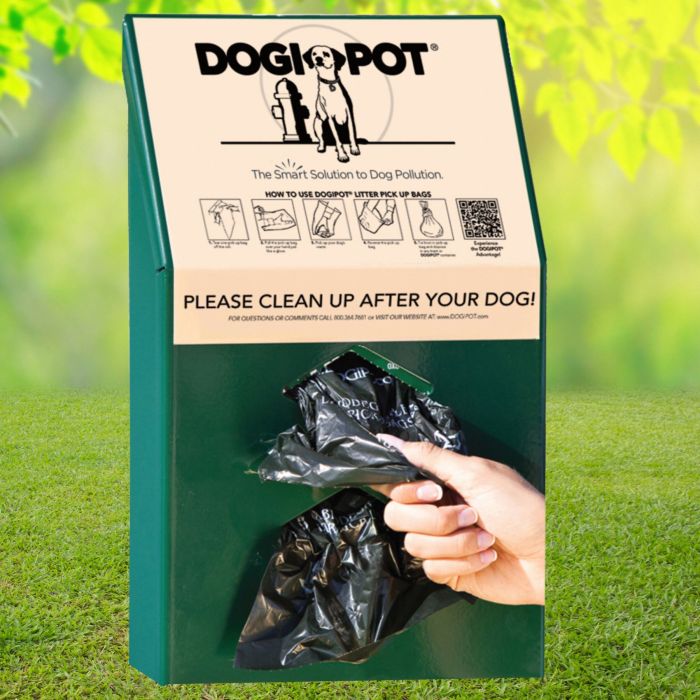
Japanese pet waste bag holders are poised for evolution, mirroring broader trends in sustainable design and consumer expectations for convenience. Technological advancements, coupled with a growing awareness of environmental impact, will drive innovation in both materials and functionality, prompting a shift towards more sophisticated and integrated solutions.This evolution will be particularly pronounced in Japan, where a strong cultural emphasis on cleanliness and efficiency already exists.
This emphasis will continue to fuel the development of solutions that address not only practical needs but also aesthetic considerations.
Technological Advancements
Smart technologies are likely to play a significant role in the future design of pet waste bag holders. Integrated sensors could monitor bag usage, prompting users to replace empty bags automatically or even alerting them to the need for bag refills. GPS tracking or RFID tagging could be incorporated into the holders to improve waste management or enhance pet safety.
Furthermore, biodegradable and compostable materials are increasingly popular, with manufacturers exploring innovative ways to combine these with smart features.
Emerging Materials and Manufacturing Techniques
Bio-based plastics, derived from renewable sources, are rapidly gaining traction as a sustainable alternative to traditional petroleum-based plastics. Manufacturers are experimenting with 3D printing to create customized and lightweight holders, offering greater design flexibility and potentially lower production costs. Advanced composite materials could offer a combination of strength, durability, and lightweight characteristics. For instance, the use of recycled materials like PET bottles in the production of holders is already becoming more common, reflecting a growing commitment to sustainability.
Impact on Japanese-Style Holders
The influence of these trends will likely be seen in Japanese-style holders by integrating minimalism and functionality. Aesthetically, holders could adopt sleek, modern designs that seamlessly integrate with the surrounding environment. Aesthetics are often prioritized in Japan, meaning that the holders will need to not only be practical but also visually appealing. Functionality will focus on advanced features like automatic bag dispensing and user-friendly interfaces, reflecting the Japanese emphasis on convenience and ease of use.
Innovative Future Designs
Examples of innovative future designs include holders incorporating solar-powered charging for integrated sensors or automatic bag dispensers. Imagine a holder that not only dispenses bags but also compacts and stores used bags hygienically, minimizing waste and environmental impact. Another example is a holder that utilizes smart sensors to identify the type of pet waste, prompting users to select the most appropriate disposal method, whether it’s composting or recycling.
Futuristic Outlook on Pet Waste Management
The future of pet waste management promises to be increasingly integrated, sustainable, and user-friendly. The design of holders will move beyond simple containers to become sophisticated systems that address the environmental impact of pet waste and promote convenient management. Technological integration will create a more efficient and responsible approach to pet waste, aligning with the growing global emphasis on sustainability and environmental consciousness.
Conclusive Thoughts
Japanese pet waste bag holders stand as a testament to the meticulous attention to detail and cultural significance in everyday design. From sustainable materials to aesthetic considerations, this article provides a thorough overview of these practical and culturally significant products. The market analysis further underscores the product’s potential and appeal, while highlighting future trends in the industry. Ultimately, these holders demonstrate how even seemingly mundane items can reflect a profound understanding of cultural values and practical needs.
